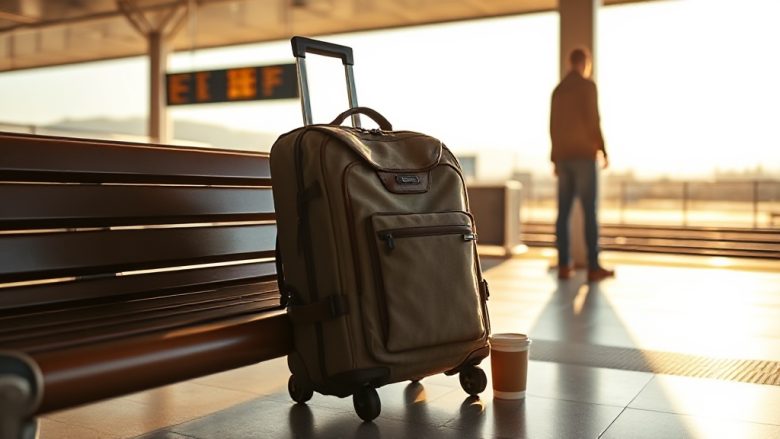
I still remember the exact moment it hit me. Standing in the departures hall at Heathrow, twenty-four years old, watching families and couples drift toward the security gates while I stood completely still with a boarding pass in one hand and a coffee going cold in the other. Nobody was waiting for me on the other side. Nobody was going to text me to check I’d made it through. That mixture of terror and freedom is the whole solo travel experience in one moment, and it’s the thing nobody really prepares you for.
Since then I’ve taken solo trips several times a year, from long weekends in northern Europe to month-long stretches where I barely spoke English for days. These solo travel tips for first timers are the practical stuff I wish someone had told me before that first flight. Nothing dramatic, nothing macho, just the habits and small decisions that turn a nerve-wracking first trip into something you’ll want to repeat.
Before You Book: Get the Foundations Right
The biggest mistake first-timers make is booking the trip they think they should take rather than the one they’ll actually enjoy. A three-week backpacking loop through five countries sounds impressive, but if you’ve never travelled alone, it’s a recipe for exhaustion by day six. Start with somewhere you can reach in a few hours, where you broadly understand the language, and where you won’t be constantly problem-solving. You can go further next time.
Timing matters more than people admit. Shoulder season, roughly late spring and early autumn, gives you decent weather without the crowds or the peak prices. It also means hostels and small hotels have space, which matters when you’re booking late or changing plans on a whim.
Book accommodation with a free cancellation window and a location you can walk from. Being able to step out of your door and find food, a pharmacy, or a bus stop within ten minutes removes a huge amount of low-level stress. Read recent reviews specifically for what solo guests say about safety and atmosphere. A place that’s great for a group of six might be grim for one person on their own.
Tell someone your rough itinerary. Not because anything is likely to go wrong, but because having one person who knows where you are is a quiet comfort. Share your flight details and your first night’s address, then get on with enjoying yourself.
Packing Light Is a Skill, Not a Virtue
Every solo traveller eventually becomes evangelical about packing light, and there’s a reason. When you’re the only person carrying your bag, every unnecessary item is a tax on your shoulders and your mood. The goal is one bag you can carry up a flight of stairs without stopping, because you will absolutely have to do that at some point.
Lay everything out, then remove a third of it. You need fewer clothes than you think and you can wash things in a sink. Take layers rather than bulky single items, comfortable shoes you’ve already broken in, and a small towel that dries overnight. Bring a power bank, a universal adapter, and a basic first-aid kit with plasters and painkillers.
Keep your valuables in one small crossbody bag you never put down, and keep a photocopy or photo of your passport somewhere separate from the passport itself. That single habit has saved me more hassle than any gadget ever has.
Arriving and Surviving the First 24 Hours
Arrival day is when nerves peak, so make it as easy as possible. Book a straightforward transfer or a taxi for the first journey rather than trying to navigate an unfamiliar bus network with a bag on your back. It costs a bit more and it’s worth every penny. You can figure out public transport once you’ve slept.
When you get to your accommodation, do three things before you unpack. Find the nearest shop for water and snacks. Find the nearest place to eat that’s open and looks busy. Find the route back to your door and note a landmark. That tiny bit of orientation stops the first evening from feeling like being lost in the dark.
Then go out. Even if you’re tired, even if it’s just for twenty minutes. The first solo meal or first solo walk is the hurdle, and the longer you delay it, the bigger it grows. Sit somewhere with a view of the street, order something simple, and let yourself people-watch. By the second day, the place starts to feel familiar, and familiar is the enemy of fear.
Staying Safe Without Being Scared
Safety advice for solo travellers often tips into fearmongering, which isn’t helpful. The truth is that most places are fine, and the risks you face are mostly the boring, everyday ones: getting lost, losing your phone, drinking too much, or trusting someone too quickly.
Trust your gut. If a situation feels off, leave. You don’t owe anyone politeness or an explanation. That instinct is more reliable than any checklist, and it gets sharper the more you travel.
Share your location with a friend back home through your phone, and check in every couple of days. Keep an emergency fund separate from your spending money, and don’t flash cash or expensive gear in busy areas. At night, stick to well-lit streets and licensed taxis or ride-hailing apps rather than accepting lifts from strangers. Arrive in new cities during daylight where you can.
One more thing: register your trip with your government’s travel service if that’s available where you’re from, and note the local emergency number. It takes two minutes and it’s the kind of preparation you’ll never regret.
Eating Alone, Meeting People, and Actually Enjoying It
Eating alone is the part most first-timers dread, and it’s also the part that becomes a highlight surprisingly fast. Sit at the bar rather than a table for two. Bar seats are less conspicuous, staff often chat, and you’re next to other people rather than marooned in the middle of a room. Bring a book or a notebook. Order what the place is known for. Lunch is an easier first solo meal than dinner if you’re nervous.
Meeting people as a solo traveller is easier than you’d expect, but it rarely happens by accident. Stay in hostels with common areas even if you book a private room. Take a walking tour, a cooking class, or a day trip, because shared activities give you a ready-made reason to talk. The simplest opener in the world is asking where someone’s from and how long they’re staying. Most people are as keen for company as you are.
You don’t have to be an extrovert. Some of my best solo trips have involved long stretches of my own company, and that’s not a failure. Learning to enjoy your own company is arguably the main point of the whole exercise.
Coming Home: Making the Trip Stick
The last day can feel anticlimactic. You’ve had this intense, self-contained experience and then you’re back on a train to your normal life. Give yourself a buffer day at home before work if you can. Don’t unpack immediately. Write down a few things while they’re fresh, because memory blurs quickly and the small details are the ones you’ll want back.
Then start thinking about the next one. The confidence you build on a first solo trip compounds. The second trip is easier, the third easier still, and somewhere along the way the departures hall stops being frightening and starts feeling like the beginning of something good.
If You Only Remember Three Things
Book somewhere easy for your first trip and save the ambitious itinerary for later. Pack one bag you can carry comfortably and leave a third of it at home. And on arrival day, go out for twenty minutes even if you don’t feel like it, because momentum is everything.
That’s it. The rest you’ll work out as you go, which is exactly what solo travel teaches you to do.
Frequently Asked Questions
Is it normal to feel scared before your first solo trip?
Completely normal, and almost universal. The nerves usually fade within the first day once you’ve arrived, eaten something, and found your bearings. Feeling nervous isn’t a sign you shouldn’t go; it’s just a sign it matters to you.
How do I choose a good first destination for travelling alone?
Pick somewhere with good transport, a similar language if possible, and a reputation for being welcoming to visitors. A few hours’ flight is plenty for a first trip. You want a place where small problems are easy to solve, not a place that tests you constantly.
What should I do if I get lonely on a solo trip?
Loneliness comes in waves, usually in the evening or on a long travel day. Call someone at home, eat somewhere busy, or join a group activity. It passes. If it doesn’t, changing your accommodation to somewhere with more atmosphere often helps more than anything else.