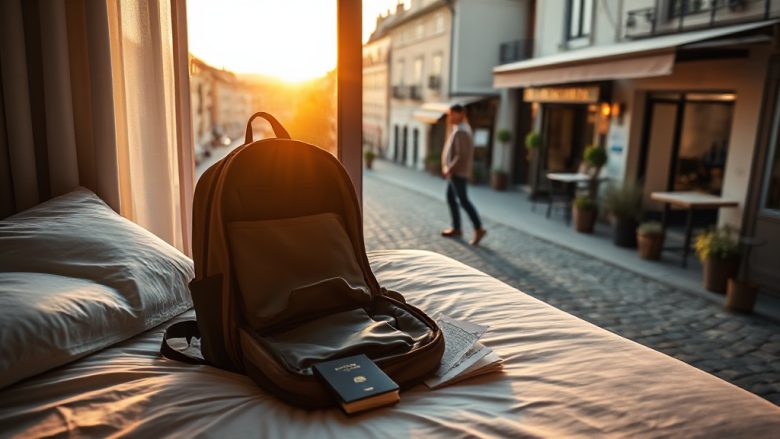
Booking a trip alone for the first time feels like standing at the edge of a pool you have not tested. Part of you is thrilled. Another part is quietly asking what happens if you hate it, get lost, or spend four days eating dinner while pretending to scroll through your phone. Those nerves are normal, and they do not mean you are not ready. They just mean nobody has handed you a plan yet.
This is that plan. Below are the seven decisions that actually shape a first solo trip, in the order you will face them. Get these roughly right and the rest tends to sort itself out. These are practical solo travel tips for first timers, not a motivational speech, so expect a few unglamorous truths alongside the good stuff.
Before You Go: The Decisions That Remove Most of the Fear
1. Pick a destination that is easy on beginners
Your first solo trip is not the moment to prove how rugged you are. Choose somewhere with reliable transport, decent English or a language you can fumble through, safe walking at night, and enough other travellers that you will not feel like the only outsider. A well-connected city or a compact coastal town works better than a remote region where one missed bus ruins the week.
Think about what you actually want from the trip. If it is rest, a quiet town beats a capital city. If it is company, a hostel-heavy destination makes meeting people almost automatic. If it is confidence, somewhere walkable and well signposted lets you feel competent fast.
Common mistake: choosing a destination because a photo looked incredible, without checking how you would get around once you land. Beauty and ease are not the same thing, and on trip one, ease matters more than you think.
2. Decide how long you are actually going
First-timers usually overestimate what they can handle. Two weeks alone sounds romantic until day nine, when you are tired, slightly homesick, and eating cereal in a room that smells of someone else’s laundry. A shorter trip of four to seven nights is often the smarter test. You get the full experience of arriving, settling, exploring and leaving without hitting the wall.
If you have the time and money for longer, build in a rest day every fourth day. Not a sightseeing day with fewer activities, an actual rest day. Sleep in, do laundry, sit in a park. Solo travel is more tiring than travelling with others because you are making every small decision yourself.
Common mistake: booking a marathon first trip to “make it worth it.” A short trip that leaves you wanting more is a better outcome than a long one that puts you off solo travel for years.
3. Book the first two nights, then leave room to change your mind
Arriving somewhere new with no plan for where to sleep is stressful even for seasoned travellers. Arriving with your first two nights booked means you have a base, a shower, and somewhere to leave your bag while you figure out the rest. After that, keep your options open. You might love a place and want to stay, or dislike it and want to move on.
For the first booking, prioritise location over charm. Being a ten-minute walk from the main station or old town saves you from a confusing late arrival in an unfamiliar area. Read recent reviews specifically for safety and noise, not just decor.
Common mistake: booking every night of the trip in advance. It feels organised, but it removes the flexibility that makes solo travel enjoyable. You end up stuck somewhere you would rather leave.
4. Sort your money and your phone before you fly
Two things cause more first-trip panic than anything else: a card that does not work and a phone with no data. Tell your bank you are travelling so it does not freeze your card at the worst moment. Carry a small amount of local cash for the first day, since not every taxi or corner shop takes cards.
Sort out a data plan or an eSIM before you leave home. Having maps, translation and booking apps working the moment you land turns a disorienting arrival into a manageable one. Download offline maps of your destination as a backup, because airport wifi is never as reliable as you hope.
Keep your money in two places. A card in your wallet and a backup card in your bag, plus a little cash hidden separately. If one goes missing, you are inconvenienced rather than stranded.
Common mistake: relying on a single card and no cash. It works fine until it does not, and it always fails at the least convenient moment.
While You Are There: How to Handle the Middle of the Trip
5. Plan your days loosely, not hourly
The instinct on a first solo trip is to fill every hour so you never feel lonely or aimless. That backfires. A packed schedule leaves no room for the spontaneous things that make solo travel memorable, like a long conversation over breakfast or an unplanned afternoon in a neighbourhood you wandered into.
Instead, give each day one anchor. One thing you genuinely want to do, whether that is a museum, a hike, a market or a beach. Everything else is optional. This structure gives you purpose without pressure, and it means a cancelled plan does not leave you with an empty day.
Eat at least one meal a day somewhere that is not your room. Sitting alone in a cafe or restaurant is awkward for about five minutes and then it is just lunch. Bring a book or a notebook if you need something to do with your hands. Nobody is watching you as closely as you think.
Common mistake: treating alone time as a problem to solve. Some of the best moments of a solo trip are the quiet ones. Let them happen instead of filling them.
6. Stay reachable without staying glued to your phone
Share your rough itinerary with someone at home and check in every day or two. A short message saying where you are and what you are doing gives your family peace of mind and gives you a safety net. It also means if something goes wrong, someone knows where to start looking.
That said, do not spend the trip narrating it to people who are not there. Constantly messaging home keeps one foot in your old life and stops you from being fully present. Set a rhythm, maybe a message in the morning and one at night, and then put the phone away.
Trust your instincts about people and places. If a situation feels off, leave. You do not owe anyone an explanation or an apology for choosing your own safety. This is the single most useful habit a solo traveller develops.
Common mistake: either going completely off-grid or never disconnecting. Both rob you of something. Find the middle.
7. Build in one thing that forces you to talk to people
Solo travel does not have to mean solitude. A walking tour, a cooking class, a hostel common room, a language exchange night, or even a shared day trip all put you in a room with other people who are also looking for company. One structured activity every couple of days is usually enough to keep loneliness at bay without forcing you to be social constantly.
You do not need to be outgoing. You just need to be in the same place as other people and willing to say hello. Most travellers are friendlier than you expect, and many of them are on their own first solo trip too.
Common mistake: waiting to feel confident before joining anything. Confidence comes after you do the thing, not before it. Book the tour, show up, and let the rest happen.
Coming Home: What to Do With the Trip Afterwards
The days after a first solo trip are often strange. You are relieved to be home, and also a little flat. That is normal. Before the details fade, write down three things: what you would do again, what you would skip, and one thing you learned about how you like to travel. That note becomes the seed of your next trip, and it is far more useful than any generic advice.
Be gentle with yourself about the parts that did not go perfectly. Maybe you got lost, maybe you ate alone more than you wanted, maybe you cried in a train station. None of that means you failed. It means you did something new, and new things are rarely smooth. The fact that you went at all is the achievement.
If you are reading this before your first trip, here is the reassurance you came for: you do not need to be fearless. You just need a rough plan, a backup card, and the willingness to leave a situation that feels wrong. Everything else you will figure out on the ground, the same way every solo traveller before you has. You are more capable than the nervous version of you believes. Go, be sensible, and let the trip surprise you.