Here is the honest maths of a British weekend away. Two off-peak train tickets, booked three weeks ahead, might cost £60 to £90 for the pair. Two nights in a budget room runs £120 to £180. Add food, a couple of coffees, one paid attraction each and a taxi home from the station, and you are looking at £300 before you have actually done anything memorable. That is the trap. The destination is rarely the expensive part; the structure of the trip is. So instead of listing pretty towns and hoping the numbers work out, this comparison looks at cheap weekend getaways in the UK by trip type, because the shape of your break decides the price far more than the postcode does.
City break: the cheapest way to fill two days
A city break wins on density. Everything you want is within walking distance or a short bus ride, which means you spend almost nothing on getting around. A typical weekend in a mid-sized English or Scottish city, booked a month out, comes to roughly £280 to £400 for two people: £70 to £110 on advance rail fares, £130 to £200 for two nights in a chain hotel or a decent pub with rooms, and the rest on food and one or two ticketed attractions. Many museums and galleries are free, which quietly removes £40 from the budget.
Best season is late autumn through early spring. Prices drop after the Christmas markets finish, hotel rates soften in January and February, and you are not competing with families. The trade-off is daylight, so plan indoor stops for the afternoon. Who it suits: couples who like walking, eating and wandering without a car, and anyone travelling by train who does not want to hire anything at the other end. If you have only one night, a city still works. You can cover a lot of ground between Saturday morning and Sunday afternoon.
Coast: brilliant value out of season, brutal in August
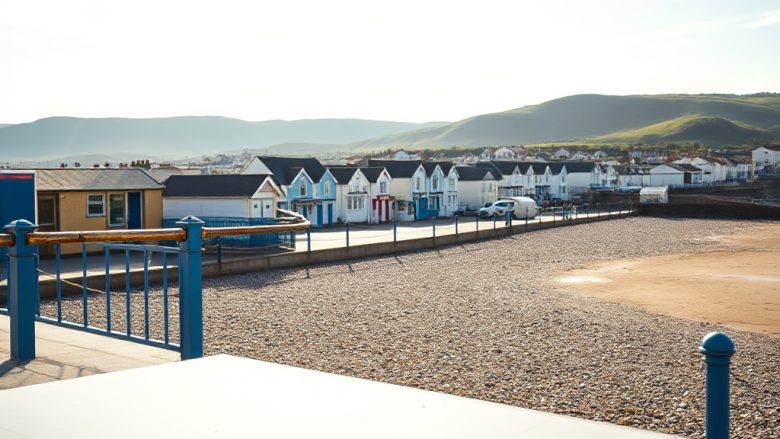
The coast is the most volatile category. In the last week of July, a small seaside town can charge more than a city hotel. In late September, the same room can halve. A realistic out-of-season coastal weekend for two lands between £250 and £380: £60 to £100 on rail or fuel, £140 to £220 on two nights, and modest food costs if you self-cater one meal. Parking, if you drive, adds £15 to £30 across the weekend.
Best season is May, June and September. The sea is cold either way, but the light is good, the crowds are thinner, and accommodation is priced for humans rather than school holidays. Book coastal trips at least six weeks ahead if you want a specific town; the good cheap rooms go first. Who it suits: anyone with a car or a good rail link, families outside peak weeks, and people who are genuinely happy to sit on a bench with a flask when the weather turns. If your idea of a good weekend requires guaranteed sunshine, this is the wrong category for the UK, and you already knew that.
Countryside: cheap per night, expensive to reach
This is the category people underestimate. A cottage or a room above a rural pub can cost less per night than a city hotel, sometimes £60 to £80 for a double in the shoulder months. But the countryside has a hidden tax: you usually need a car, or you need to accept a long walk from a station with no pavement. A two-night countryside weekend for two typically runs £260 to £420, and the spread is wider than anywhere else because transport decides it. Fuel and parking might be £50; a taxi from a rural station might be £40 each way.
Best season is late spring and early autumn, when footpaths are firm and pubs still light their fires. Midwinter can be wonderful value if you go for the pub, the walk and nothing else, but short days limit what you can do. Who it suits: drivers, walkers, and anyone who wants silence more than activities. It is poor value if you are relying on public transport to reach a remote village and then paying for taxis to leave it.
Rainy-day option: the city with indoor cover
Sometimes the forecast decides for you. The rainy-day option is not a separate destination so much as a strategy: pick a city where the indoor things are close together and mostly free or cheap. Think large museums, covered markets, a gallery, a cinema, a long lunch. Cost is similar to a standard city break, roughly £280 to £380 for two, but you waste less money because you are not paying for outdoor plans that get cancelled.
Best season is, frankly, whenever the forecast looks grim, which in the UK is a year-round possibility. Book late and flexibly if you can, because rainy weekends are exactly when last-minute rooms appear at reduced rates. Who it suits: people travelling with children, anyone who hates the feeling of a wasted ticket, and travellers who would rather spend an afternoon in a warm building than pretend to enjoy a windswept beach.
How to time your booking so the weekend stays cheap
Timing matters more than destination. For rail, advance single tickets released around twelve weeks ahead are usually the cheapest, and splitting a journey into two shorter tickets sometimes beats a through fare. Off-peak and super off-peak departures on Friday evening are the exception; travel Saturday morning instead and the price often drops by a third. For accommodation, book four to eight weeks ahead for cities and six to ten weeks for the coast in shoulder season. Rural cottages sometimes discount heavily within two weeks of an empty weekend, so if you are flexible, waiting can pay.
Food is where budgets quietly die. One cooked breakfast, one pub lunch and one supermarket picnic per day keeps two people comfortably under £70 for the weekend. Eat your main meal at lunchtime, when portions are the same and prices are lower. And check whether your accommodation includes breakfast; it is often the difference between a £300 weekend and a £360 one.
One short list worth keeping: travel Saturday to Monday rather than Friday to Sunday, where your work allows, because Sunday night rooms are frequently the cheapest of the week and Monday morning trains are quiet. It is a small change with an outsized effect on the total.
The verdict: which trip type actually gives the most for your money
If you are travelling by train without a car, the city break is the clear winner on value. You get the most things to do per pound, the least spent on local transport, and the widest choice of cheap beds. If you have a car and want quiet, the countryside offers the lowest nightly rates but the highest transport risk, so it only wins when you are driving and staying put. The coast is the best value in May, June and September and the worst value in August, with almost no middle ground. The rainy-day city option is less a destination than a safety net, and it is the one that stops a bad forecast from ruining a weekend you have already paid for.
For most people reading this, the practical answer is a mid-sized city, booked four weeks out, travelled off-peak on a Saturday, with one paid attraction and a lot of walking. That combination reliably delivers a genuinely good weekend for around £300 for two, which is roughly what a single night in a London hotel costs in December. The cheap weekend getaway is not about finding a secret place. It is about choosing the trip shape that matches how you are travelling, and then booking it at the right moment.